
Bursa’da Bu Sonbahar En Çok Konuşulan 5 Yerel Haber Teması
Why Bursa’s local news keeps circling the same themes
Some local news topics show up in Bursa again and again for a simple reason: they touch daily life. If a story changes how people get to work, how a neighborhood gets serviced, or how a city event shapes the week, it tends to stay in the news cycle. That is not repetition for its own sake. It is the city telling you where the pressure points are.
This guide looks at five themes that frequently surface in Bursa coverage this autumn and why they matter to readers. For a quick entry point into the site, you can also visit the homepage, read more about Tele 16, or browse the broader Bursa news section and all news articles.
1) Municipal services and field visits
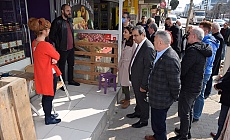
Municipal coverage stays common because city services are visible, immediate, and easy to measure. When a mayor visits a neighborhood, meets residents, or inspects a project, readers are not just looking at a photo opportunity. They are trying to understand whether a promise is moving from talk to action.
That is why stories about community meetings, on-site inspections, and service updates show up so often. They help residents answer practical questions: Which area is being served? What changed? When will it matter in real life?
A good municipal story should make the scope clear. If you only remember one thing, let it be this: details beat slogans every time. A sunny ribbon-cutting photo is nice, but a timeline and a location are what keep readers calm.
2) Transportation and public transit updates
Transportation news is one of the most reliable recurring topics in Bursa because commuting is a daily ritual, not a hobby. Route changes, new lines, service adjustments, and free-ride announcements affect school runs, work trips, and the classic “I left early and still arrived late” experience.
Official transport notices matter most when they are current and specific. BURULAŞ’s live announcements and service pages show how often these updates change in real time. For readers, that means a story about transit is useful only if it answers a few practical questions: which line, which stop, which date, and whether the change is temporary or ongoing.
When a transport item appears in the news, it often overlaps with weather, events, or maintenance. That is normal. The city does not move on a separate track just because we would prefer it to.
For official transport updates, the BURULAŞ website and BUDO announcements are useful first checks before you head out.
3) Health and seasonal alerts
In autumn, health coverage tends to shift toward seasonal illnesses, school-related spread, and simple prevention reminders. Readers want to know what is common, what is routine, and what actually requires attention. A balanced health story should help people make sensible choices without turning every sniffle into a headline.
Current and practical health coverage usually focuses on what changes with the season: weather swings, more indoor time, and busier public spaces. Those conditions make guidance on prevention more relevant than dramatic language ever could.
If a health item is vague, treat it carefully. Look for who is speaking, what evidence is cited, and whether the advice is tied to a public institution or a named expert. Health news should inform, not spook.
4) Culture, events, and city identity
Cultural news keeps showing up because cities are more than roads and utility lines. Festivals, commemorations, exhibitions, and anniversary programs give residents a shared calendar and a sense of place. In Bursa, that can mean coverage of local heritage programs, public events, and citywide celebrations that draw attention to identity as well as attendance numbers.
Recent official event listings, including major anniversary programming around Bursa’s historical milestones, show that culture remains a live topic, not a decorative one. These stories matter because they tell readers how the city is presenting itself right now.
Culture coverage also has a useful side effect: it gives the news cycle some breathing room. Not every headline needs to be about a road closure or a repair crew. Sometimes a city is allowed to have a festival without apologizing for it.
To compare schedules and official listings, the Bursa tourism portal is a helpful source for event information.
5) Infrastructure, water, electricity, and maintenance work
Infrastructure stories stay visible because they interrupt routines in very direct ways. Water cuts, electricity maintenance, road work, and service repairs all affect ordinary plans. These are the kinds of updates people read while already thinking about tea, laundry, or where the backup charger is hiding.
Even a short maintenance notice can matter a lot if it affects a neighborhood’s schedule. That is why infrastructure coverage should be specific about timing, affected areas, and what residents need to do next. A good notice respects the reader’s time.
In Bursa, infrastructure news often connects back to transportation and municipal services. That overlap is useful. It tells readers that the issue is not isolated; it is part of how the city works, or fails to work, on a busy day.
For broader public-service context, official local institution pages such as the Bursa tourism portal’s institution guide can help readers verify which organizations are responsible for a given notice.
How to tell whether a local news item is reliable
- Check the source first. Is the item tied to an official institution, a named reporter, or a specific document?
- Look for dates and locations. A news item without clear timing is often more fog than fact.
- Separate announcement from impact. “We will do this” is not the same as “this has already happened.”
- Cross-check major service news. If it affects transport, utilities, or health, compare at least one official source.
- Watch for missing specifics. Good reporting answers who, what, where, when, and what it means next.
If you want a practical benchmark, start with the source itself, then compare it with another trusted local or official reference. The European Journalism Centre’s verification resources are a useful reminder that careful checking is a habit, not a luxury.
What these recurring themes mean for residents
These five themes keep coming back because they affect the same basic things over and over: movement, comfort, access, safety, and identity. That is the real pattern in Bursa local news. The topic changes, but the reader’s question is often the same: “Does this affect my day?”
If you are skimming headlines this autumn, try this simple filter. Ask whether the story changes a route, a service, a schedule, or a public space. If the answer is yes, it probably deserves a closer look. If the answer is no, it may still be interesting, but it is less likely to change your afternoon.
For a wider view of how local coverage is organized, you can also return to the Blog index, then move back to the contact page if you want to share a tip or ask a question.
Final takeaway
Bursa’s most talked-about local news themes are not random. They cluster around the parts of city life that are easiest to feel: services, transit, health, culture, and infrastructure. Once you know that pattern, the news becomes easier to read and a little less noisy.
And that is the useful trick here. You do not need to read everything. You just need to notice which stories are pointing to a real change in daily life. The rest can wait politely in the queue.